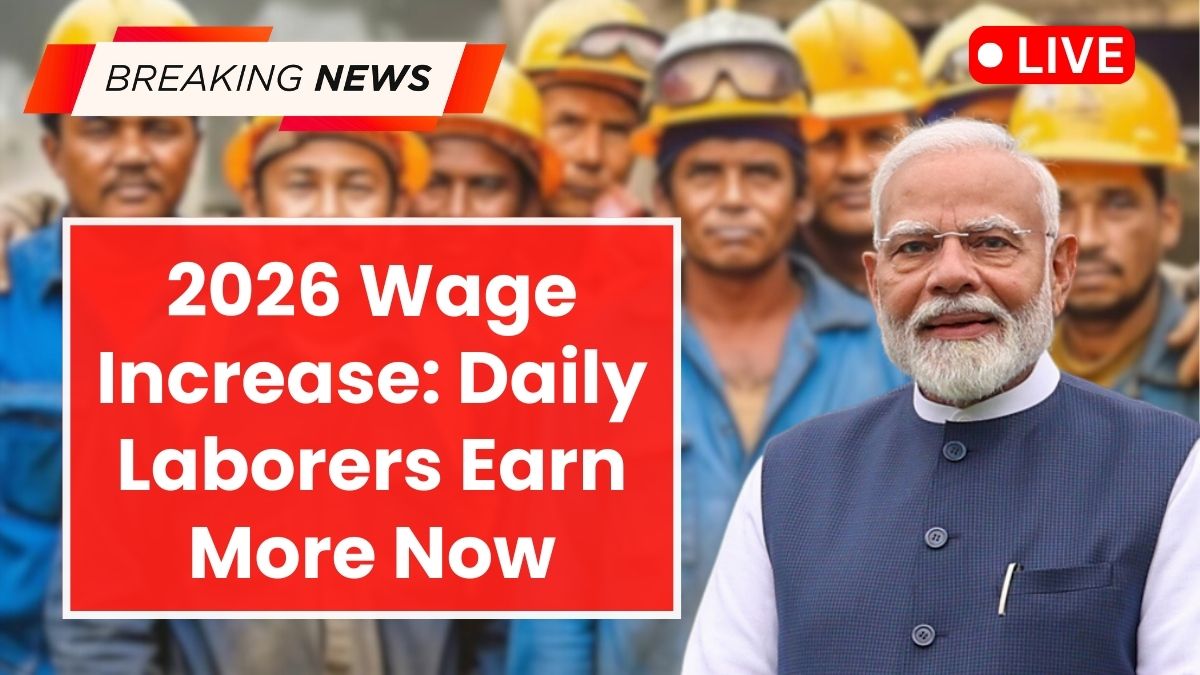
2026 Minimum Wage Hike : India is witnessing a historic moment in 2026 as the central government has announced a major increase in minimum wages for workers, farmers, artisans, and daily wage laborers. For decades, millions of workers have struggled to make ends meet, earning barely enough to sustain themselves and their families. The new wage hike is set to change that reality, offering a significant boost to income levels and improving the quality of life for countless households.
What Has Happened
The government, following recommendations from the National Wage Commission, has approved a substantial increase in minimum wages across the country. Starting April 1, 2026, daily wages for laborers have nearly tripled compared to previous levels. Workers who were earning ₹300–₹400 per day will now earn between ₹900–₹1200 per day depending on the state and region. This is not just a marginal increment; it is a groundbreaking move that promises to uplift millions of families from financial stress.
Why This Is Historic
Such a large and direct increase has never happened before in the history of India’s labor market. Previously, wage hikes were usually small and incremental, often failing to keep pace with inflation. This time, the increase is straightforward, significant, and impactful. Beyond the numbers, this hike has the potential to transform the lives of workers: their children can access better education, families can afford nutritious meals, and health-related emergencies can be managed without fear. The dignity and value of labor are being recognized on a scale never seen before.

Statewise New Wage Structure
The minimum wage hike varies across states to account for differences in cost of living, but most regions have seen an increase of approximately three times the previous amount. Some of the notable new wages are:
- Delhi: ₹538 → ₹1600 per day
- Maharashtra: ₹400 → ₹1180 per day
- Uttar Pradesh: ₹350 → ₹1050 per day
- Bihar: ₹328 → ₹985 per day
- Tamil Nadu: ₹450 → ₹1350 per day
- Gujarat: ₹390 → ₹1170 per day
- Rajasthan: ₹325 → ₹975 per day
- Punjab: ₹380 → ₹1140 per day
(Note: These figures are indicative; official wages will be available on state government portals.)
Positive Impact of the Wage Hike
The wage hike is expected to have multiple positive effects on society and the economy:

- Improved Standard of Living: Workers can now afford better food, healthcare, and education, improving overall family well-being.
- Poverty Reduction: The meaning of the poverty line itself may change, with more families moving above it.
- Increased Purchasing Power: Higher wages will boost consumer spending, benefiting local markets and small businesses.
- Reduced Migration Pressure: With improved rural wages, fewer people may feel forced to migrate to cities for work.
- Worker Dignity: Beyond financial benefits, the hike restores a sense of respect and fairness for those who form the backbone of the country’s workforce.
Potential Challenges
While the wage hike is historic, it also comes with challenges that need careful management:
- Inflation Risk: Sudden increases in wages could potentially drive up prices of goods and services if not managed carefully.
- Impact on Small Businesses: Small factories and local businesses may find it challenging to pay higher wages without adequate support.
- Implementation Monitoring: The government must ensure that the increased wages actually reach all workers, especially in informal sectors where enforcement is often tricky.
Government Measures for Stability
The government has emphasized that it will closely monitor the impact of this wage hike on inflation and business sustainability. State authorities will work alongside labor departments to ensure smooth implementation. The focus will be on maintaining stability while ensuring that the benefits reach the intended workers without delay.
Workers’ Response
Workers and labor unions across India have welcomed the announcement enthusiastically. Many workers have expressed relief and happiness, stating that this wage hike will finally allow them to live with dignity. Laborers feel that their years of hard work are being recognized, and their financial struggles acknowledged. Families are optimistic about better access to education, nutrition, and healthcare.

Long-Term Benefits
The benefits of this wage increase are expected to extend beyond individual workers. Economists predict that enhanced purchasing power will stimulate local economies and create new opportunities for businesses. Families with higher incomes are likely to invest in education and skill development, contributing to long-term social and economic growth. Moreover, the improved financial security may also reduce social tensions and enhance overall societal well-being.
A Step Toward Social Justice
This wage increase is more than just an economic adjustment—it is a step toward social justice. For years, laborers’ work has been undervalued, often resulting in poor living conditions and minimal savings. By raising wages substantially, the government has recognized the value of labor and the critical role that workers play in the country’s development. This historic move sets a precedent for fair compensation and equitable growth.
Looking Ahead
While this wage hike is a major milestone, its true impact will depend on consistent implementation and oversight. Governments at both central and state levels will need to ensure that payments are timely, transparent, and accessible to all eligible workers. Additionally, policies supporting small businesses and informal sectors will be essential to prevent unintended economic strain.

Conclusion
The 2026 minimum wage increase marks a defining moment in India’s labor history. By tripling wages across the country, the government has set a new standard for worker welfare and social equity. This decision is expected to improve living standards, boost economic activity, and restore dignity to millions of laborers. With careful implementation and monitoring, the wage hike has the potential to transform the lives of workers and their families while strengthening India’s socio-economic fabric.
Disclaimer
This article is intended for informational purposes only and is based on government announcements and media reports. The actual minimum wage rates, implementation dates, and statewise policies may vary. Readers are advised to verify official details through state or central government portals before taking any action or making decisions. This content should not be considered legal, financial, or employment advice.