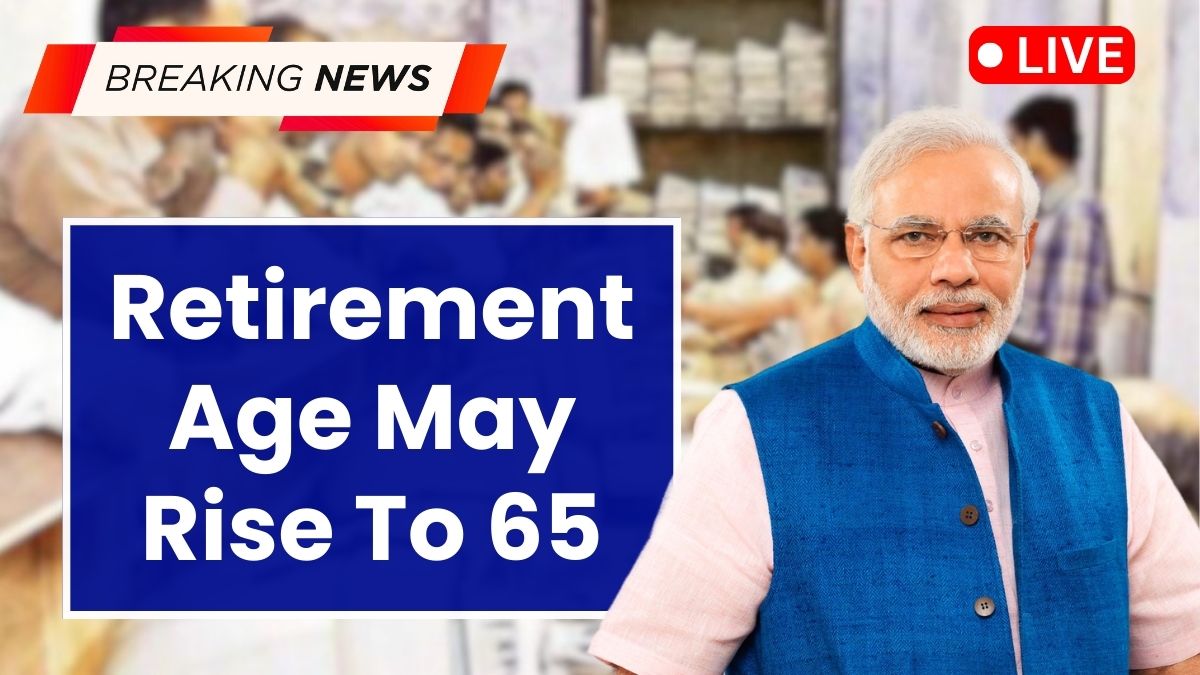
There is an important discussion underway in India regarding a potential increase in the retirement age for both government and private sector employees. The government is reportedly considering raising the retirement age from 60 to 65 years. If implemented, this could allow employees to continue working for an additional five years, offering them more time to contribute their experience and skills. The possibility of this change has created excitement among employees, as it provides an opportunity to stay professionally active and strengthen their financial and personal security.
Rising Life Expectancy and Better Health
One of the main reasons behind this proposed increase is the improvement in life expectancy and access to healthcare. Advances in modern medicine, health awareness, and lifestyle improvements have made it possible for people to remain active and healthy well into their sixties. Many employees at 60 years old are still physically and mentally fit to perform their work efficiently. Better nutrition, regular exercise, and healthier lifestyles have enabled senior citizens to stay energetic, while modern technology and digital tools have simplified many workplace tasks. This makes it easier for older employees to continue contributing effectively without feeling overburdened.
Impact on Government Finances and Pension
Increasing the retirement age can also ease the financial burden on the government. With employees working an extra five years, pension payments will start later, giving the government some fiscal relief. The saved funds could be redirected toward other national development priorities. At the same time, longer service periods may increase the final pension amount for employees since most pension schemes are linked to years of service. This approach balances the interests of both the government and employees, promoting long-term financial stability while rewarding employees for their extended service.

Knowledge Retention and Experience Continuity
A major challenge in many organizations is the loss of experienced employees upon retirement. When senior staff leave, decades of valuable knowledge and practical experience often go with them. New employees take time to reach similar levels of efficiency and understanding. Extending the retirement age ensures that experienced professionals stay longer, providing mentorship and guidance to the next generation. This continuity of knowledge improves overall productivity and efficiency, particularly in specialized, technical, or administrative roles where expertise accumulated over decades is invaluable.
Financial Benefits for Employees
An increase in retirement age brings clear financial advantages for employees. Continuing to receive a regular salary for an additional five years allows employees to save more, making them more financially secure in the future. For those with home loans, vehicle loans, or other financial obligations, this extra income provides relief and stability. It also helps employees plan for their children’s education, weddings, or other family responsibilities. In an era of rising living costs, five extra years of income can strengthen a family’s financial position and provide resources for long-term security.
Increased Pension and Retirement Benefits
Longer service has a direct effect on retirement benefits. Pension calculations often depend on years of service, so working an additional five years could increase the monthly pension amount significantly, helping employees maintain financial independence after retirement. Other retirement benefits such as gratuity and service-based allowances will also rise, offering greater comfort and security in post-retirement life. This not only benefits employees but also provides peace of mind to their families, knowing that the future is financially stable.

Mental Health and Staying Active
Research has shown that staying active and engaged in work positively impacts mental and emotional health. Sudden retirement can lead to stress, depression, and loneliness due to the loss of routine and purpose. By extending the retirement age, employees can gradually adjust to the transition while continuing to maintain a structured daily life. Interaction with colleagues and participation in workplace activities also support mental well-being. Many employees feel emotionally connected to their work and organizations, and this change can reduce the anxiety associated with sudden retirement.
How Technology Makes Extended Work Feasible
Modern technology has transformed the workplace, making tasks faster, simpler, and less physically demanding. Computers, software, and digital tools reduce the need for strenuous labor, allowing older employees to perform their duties comfortably. Increasing digital literacy among senior staff ensures they can adapt to new tools and maintain productivity. This makes longer service both practical and beneficial, as employees can continue contributing meaningfully without physical strain.
Challenges and Potential Solutions
While there are several advantages, some challenges need consideration. One key concern is the potential impact on employment opportunities for younger employees. Addressing this may require balanced policies, including new hiring, promotions, and creating additional positions. Health support for senior employees is also essential. Regular check-ups, flexible working arrangements, work-from-home options, and part-time schedules could help older employees work effectively without stress. Proper planning and policies can make this transition beneficial for both employees and organizations.

Conclusion
The proposed increase in retirement age by five years appears to be a forward-thinking and balanced decision. It promises financial security, higher pension benefits, and the chance to remain active and engaged in professional life. Retaining experienced professionals also benefits organizations and society, contributing to overall development. While challenges exist, careful planning and policy measures can ensure a smooth implementation, making this change a positive step for employees and the nation alike.
Disclaimer
This article is intended for general information and awareness purposes only, based on discussions and reports available as of January 16, 2026. No official government announcement has been made regarding the increase in retirement age. Actual policies and rules will only apply after formal government notification. Readers are advised to verify information with official sources before making career or retirement-related decisions. The author and publisher are not responsible for actions taken based on this article.